
Language
Views: 0 Author: Site Editor Publish Time: 2025-11-13 Origin: Site


Choosing the right preform mould affects how you make products. The right mould helps you work faster. It also saves you money and reduces waste. For example:
Companies like San Pellegrino and Coca-Cola saved lots of PET every year by using better moulds.
Even a small change in cycle time or preform weight can cost a lot of money each year.
If you work with a trusted company like Taizhou Huangyan Yongsheng Mold Industry Co., Ltd., you get good Injection Mould solutions. You also get great service and support. Think about what you need before you pick a mould.
Picking the right preform mould helps you save time and money. It also cuts down on waste during production. Think about what you need to make, like how many cavities you want. Also, think about the size of your preforms. This helps you pick the best mould for your job. Good materials like stainless steel make your mould last longer. They also help your mould work better and make better preforms. You should take care of your mould often. This stops it from breaking and keeps your products good. Multi-cavity moulds help you make more preforms faster. They also make each preform cost less. These moulds are great if you need to make a lot.
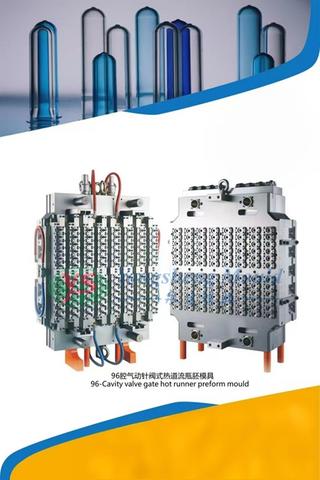
When you choose a preform mould, you need to look at several important product specifications. These details help you get the best results for your production line. Here are the main factors you should consider:
1. Production Requirements: Think about how many cavities you need, the size and shape of your preforms, and how many you want to make each day.
2. Quality and Precision: High-quality and precise moulds help you make better preforms. This means fewer defects and more consistent products.
3. Hot Runner System: A good hot runner system keeps the plastic flowing smoothly. This system helps you save material and reduce waste.
4. After-Sales Service: Reliable after-sales service keeps your preform mould working well for a long time.
Tip: Always check the shape and dimensions of your preforms before you order a mould. The right fit ensures smooth production and less downtime.
You should also pay attention to other technical details:
Material selection for the mould
Mold flow analysis to predict how plastic fills the mould
Cooling systems for faster cycle times
Venting and air evacuation to avoid air pockets
Part ejection for easy removal of preforms
Parting line and gate design for clean finishes
Mold maintenance and repair for long-term use
The material you choose for your preform mould matters a lot. Different materials affect the quality of your preforms and how long your mould lasts. For example, high-quality steel like S136 gives you a smooth surface and accurate shapes. Strong materials also help your mould resist corrosion and wear, so you can use it for many years.
Your production volume plays a big role in picking the right preform mould. If you plan to make a lot of preforms, you need a mould that can keep up with your demand. The number of cavities in your mould affects how many preforms you can make at once. More cavities mean you can produce more preforms in less time.
As your production volume goes up, using a multi-cavity preform mould becomes more cost-effective. This is because you lower the cost for each preform you make. You also use your machines and workers more efficiently. For high-volume production, you might need larger moulds or even several moulds to meet your goals.
The scale of your production tells you what type and size of mould you need.
For big orders, you should look for moulds made from strong materials like hardened steel or aluminum.
High cavity moulds help you reach your targets faster and save money in the long run.
Note: Choosing the right number of cavities helps you balance your initial investment with your ongoing production costs. More cavities mean higher upfront costs, but you save money over time by making more preforms per cycle.
When you match your preform mould to your production needs, you get better results and lower costs. Always think about your current needs and future growth before making a decision.
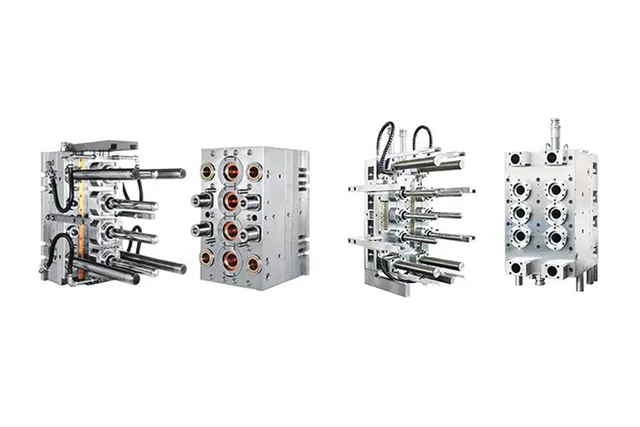
You can pick single cavity or multi-cavity preform moulds. Your choice depends on how many parts you want to make. Single cavity moulds let you control each part better. Multi-cavity moulds help you make more preforms at the same time. The table below shows how they are different:
Type of Mold | Advantages | Disadvantages |
|---|---|---|
Single Cavity Mold | - You control the process and part quality better. | - You make only one part per cycle, so it is slower. |
- Good for making big or complex parts. | - Each part costs more because the mold cost is not shared. | |
- You can change things easily during production. | - It takes longer to finish making all the parts. | |
Multi Cavity Mold | - You make more parts at once, so it is faster. | - You have less control over each part’s quality. |
- Each part costs less because the mold cost is shared. | - It is harder to change things during production. | |
- Good for making small and simple parts. | N/A |
Taizhou Huangyan Yongsheng Mold Industry Co., Ltd. has moulds with 1 to 48 cavities. You can choose the right one for your needs.
Hot runner preform moulds use a hot runner system. This system keeps plastic melted inside the mould. You get many good things when you use a hot runner preform mould:
1. You waste less material and save money. The hot runner system keeps plastic moving, so you do not need to recycle scraps.
2. You work faster. The hot runner preform mould makes the cycle shorter because you do not need to cut off the gate.
3. You get better preforms. The hot runner system controls the temperature, so your preforms look clear and have fewer problems.
4. You use less energy. The hot runner preform mould helps you save power and money.
5. You get steady results. The hot runner system makes sure each preform is made well.
Taizhou Huangyan Yongsheng Mold Industry Co., Ltd. uses smart hot runner designs. Their hot runner preform moulds have self-locking for each cavity. Needle valve technology means you do not need to cut by hand and you work faster. The cooling water channel design makes the injection cycle shorter. You can trust their hot runner preform moulds to make good preforms every time.
Tip: Clean and check needle valve hot runner preform moulds often. This helps you keep them working well and makes them last longer.
You can pick a standard preform mould or a custom one. Standard moulds are good for simple and common products. Custom moulds are made for special shapes and sizes. The table below shows how they are different:
Feature | Custom Molds | Standard Molds |
|---|---|---|
Design | Made for special sizes and shapes | Made for simple parts everyone uses |
Cost | Costs more at first because it is customized | Costs less for making lots of simple parts |
Production Volume | Good for making lots of special products | Good for making a few or some simple products |
Flexibility | Easy to change for new shapes and sizes | Hard to change, best for usual shapes |
Examples | Beverage bottles, car dashboards, electronics | Medical syringes, USB drives, PET bottles |
Turnaround Time | Takes longer because it needs designing | Quick because molds are ready to use |
Regulatory Compliance | Meets special rules for some industries | Usually does not meet special rules |
Taizhou Huangyan Yongsheng Mold Industry Co., Ltd. makes custom preform moulds for many things, like 5-gallon bottles, water bottles, and wide-mouth containers. Their process includes designing, checking, putting together, and testing. You get fast delivery and good quality.
You need to pick the right material for your preform mould. The material you choose affects how well it works with plastics. If you pick the wrong one, you might see problems. These problems include weak bonds or fast wear. Here are some things to remember:
Material compatibility helps you get strong bonds in multi-material injection molding.
Chemical stability is important. If materials react, you can get defects or weak spots.
Match the mould material to the plastic you use. This helps stop corrosion and damage.
For big batches, choose high-performance materials. These should be strong and resist fatigue.
Hardness and wear resistance affect how long your mould lasts. Some materials handle heat and pressure better.
When you pick a mould, think about the plastic type, clamping force, and injection speed. Stainless steel and aluminum alloys are popular choices. They conduct heat well and resist corrosion. This means your mould will last longer and work better.
Tip: Always check chemical stability before you start production. This helps you avoid expensive mistakes.
Precision is very important for high-quality preforms. If your mould is not precise, you may see defects or uneven shapes. Tight tolerances make sure every preform looks and works the same. Here are ways manufacturers keep quality high:
Visual inspection finds flaws on the surface.
Ultrasound testing checks for hidden defects inside the mould.
Radiographic testing uses X-rays to spot problems inside.
CNC machining and mirror finishing keep surfaces smooth and accurate.
Rigorous inspection protocols catch defects early.
Hygiene management keeps the workshop clean and reduces contamination.
Software simulation predicts problems before you make the mould.
A precise mould gives you accurate shapes and uniformity. This helps your preforms stay strong and work well. You must also control clamping force, injection speed, and energy use during production. These things help you get consistent results and reduce waste.
Cycle time shows how fast you can make preforms. Shorter cycle times mean you make more in less time. This helps you save money and meet deadlines. The table below shows how cycle times have changed:
Year | Cycle Time (seconds) | Notes |
|---|---|---|
1980s | Low- to mid-20s | State of the art for preform injection molding |
Present | Around 6 | High-speed presses for thin preforms |
Many things affect cycle time:
Cooling time
Wall thickness
Machine efficiency
Clamping force
Injection speed and pressure
If you make cycle time better, you can:
Increase productivity
Set realistic deadlines
Meet launch dates sooner
Guarantee lead times
Improve customer relationships
Grow profit margins
Cut process waste
Minimize overtime risk
Standardize work processes
Keep workflow steady
Reduce unevenness in workflow
Streamline inventory storage
Avoid making too much
Improve energy efficiency
You need to balance cycle time with quality. If you go too fast, you may see defects. If you go too slow, you lose money. Always check your machine’s clamping force and adjust injection speed and pressure for best results.
Durability means your preform mould lasts a long time and keeps working well. If your mould breaks or wears out, you lose time and money. You need to look at several things:
Mold material: Stainless steel and aluminum alloys last longer and resist corrosion.
Mold design: Good design gives you even cooling and fewer defects.
Cooling system: Good cooling makes cycle time shorter and stops damage.
Injection system: Precise control keeps quality high.
Maintenance: Easy maintenance helps you fix problems fast.
Quality assurance: Testing and ISO certification guarantee reliability.
Manufacturers test moulds before full production. They check size, surface quality, and how well it works. They match raw materials, set molding parameters, and give trial reports with pressure charts and defect analysis. Premium steel alloys and advanced hot runner technology also make moulds last longer and save energy.
Note: Regular maintenance and testing help your mould last longer and work better in high-volume production.
When you pick a preform mould, think about both the starting cost and what you will pay later. The first price might seem high, but good molds can save you money as time goes on. Look at the table below to see how these costs are different:
Aspect | Initial Investment | Long-term Operation |
|---|---|---|
Mold Quality | Higher for quality | Lower due to efficiency |
Number of Cavities | Higher for multi-cavity | Increased production efficiency |
Maintenance Costs | Lower for quality molds | Higher for low-cost molds |
Replacement Frequency | Rare for quality molds | Frequent for low-cost molds |
If you buy a cheap mold, you might pay more later. You could have longer wait times and your machines may stop working more often. You might need to get a new mold sooner than you thought. For example, if a mold is supposed to last for 5 million cycles but breaks after only 1 million, you spend extra money and lose time making products. Good molds help you avoid these problems and keep things running well.
Tip: Buying a strong mold at the start can make each part cost less and help you work faster.
How much care your mold needs affects your total cost. If you use a cheap mold, you may need to fix it often and buy more parts. This can make your costs go up quickly. Some molds rust fast, so you have to clean them more and your products can get ruined. One customer had rust after just one month, showing that bad molds can cause hidden problems.
You should check your mold often and keep it clean. Taking care of your mold helps you stop breakdowns and keeps your machines working. Good molds need less fixing and last longer. You spend less time on repairs and more time making things.
Fixing molds a lot costs more.
Rust can ruin your products.
Good molds help you save money and avoid delays.
Picking a mold that does not need much care helps you spend less and keep your products safe.
You need to use the right injection molding machine with your preform mould. This helps you get good results and stops problems. When you pick an injection molding machine, look at these things:
1. Clamping force and platen rigidity: The injection molding machine must have enough clamping force. This keeps the preform mould closed during each cycle. Strong platens help every preform keep its shape.
2. Shot size and plasticizing rate: The injection molding machine should handle the plastic you need for each shot. Try to use 30–80% of the barrel for each shot. The plasticizing rate should match your cycle time.
3. Injection speed and V/P switchover: Fast injection speed helps fill thin gate sections in high-cavity moulds. The injection molding machine should switch quickly from filling to packing. This helps you avoid defects.
4. Energy efficiency: Pick an injection molding machine with servo-hydraulic systems or all-electric options. These machines save energy and work well for fast production.
5. Controls and connectivity: Modern injection molding machines have multi-stage profiles and adaptive control loops. You can track materials and connect to factory dashboards. This helps you watch your production better.
6. Uptime and serviceability: Choose an injection molding machine that is easy to fix. Quick-change parts and remote diagnostics help you solve problems fast.
Tip: Always make sure your injection molding machine fits the size and connection needs of your preform mould before you start.
A 48 cavity pet preform mould works best with a strong injection molding machine. You need to check if the injection molding machine fits the mould and supports its features. Here are some things to look at:
The injection molding machine must match the size and connection points of the 48 cavity pet preform mould.
The mould should fit tightly on the machine’s platen. The clamping system must hold the 48 cavity pet preform mould in place.
The runner system of the 48 cavity pet preform mould needs to work with the injection nozzle of the injection molding machine.
If you use a hot runner or valve gate system, the injection molding machine must have good temperature control.
Using a 48 cavity pet preform mould lets you make 48 preforms in one cycle. This makes your production faster and lowers the cost for each preform. You can fill big orders quickly and save money over time. The design of the 48 cavity pet preform mould gives you steady quality. Balanced runners and strong cooling systems help every preform look and work the same.
Feature | Benefit for 48 Cavity PET Preform Mould |
|---|---|
High-speed injection molding | Faster production cycles |
Balanced runner system | Uniform filling and cooling |
Efficient cooling channels | Consistent wall thickness |
Secure clamping | Precise shape and size |
Note: When your injection molding machine and 48 cavity pet preform mould match well, you get high efficiency and top quality in mass production.
You must check if your preform mould fits your needs. A checklist helps you find problems early. This keeps your work smooth. Use calipers and rulers to measure size. Check the weight of each preform. Most makers want the weight to be close, about ±0.3 to 0.5 grams. Look at each preform for bubbles or dents. Good lights help you see better.
Test how the preform works in blow molding. This shows if the mould makes strong bottles. Drop the bottle from one meter high. If it cracks, you may need to change your mould or process.
Checklist Item | Description |
|---|---|
Dimensional Measurement | Use calipers and rulers to check neck, length, and thickness. |
Weight Check | Make sure preform weight is within ±0.3 to 0.5g. |
Appearance Inspection | Look for bubbles, dents, or scratches with good lighting. |
Blow Molding Test | Test preform during molding for any problems. |
Drop Test | Drop bottle from one meter to check for cracks. |
Tip: Use this checklist when you change moulds or start a new batch. You will find mistakes early and save time.
Different jobs need special mould features. If you want your mould to last, pick high-grade stainless steel. This material does not wear out fast. Fast production needs good cooling channels. These help you make more preforms each hour.
Uniform filling is key for good quality. Good gating systems help you avoid defects. Automation makes your work faster and safer. Robots help you change moulds and move parts quickly. Smooth ejection and venting help you remove preforms without damage.
Scenario | Critical Feature |
|---|---|
Material Selection | High-grade stainless steel for long life |
Cooling Systems | Good cooling channels for faster cycles |
Gating Systems | Smart design for even filling |
Automation Technologies | Robots for quick and safe handling |
Ejection and Venting Systems | Well-made systems for easy removal |
Note: Match your mould features to your goals. You will work better and get good results every time.
Picking the right preform mould helps you meet your goals. You get better products when the mould fits your needs. Taizhou Huangyan Yongsheng Mold Industry Co., Ltd. has smart designs and custom options. They also use high-quality machines.
Optimization Technique | Good Result | Possible Problem |
|---|---|---|
Aggressive Venting | Clear details and logos | Small lines on bottles |
Differential Cooling | Walls are even everywhere | Slower making time |
Mold Modifications | Mould is more stable | Mould can get weaker |
You can make drawings and explain what you need. Set a time for your project and say how many you want. Ask for expert help or a custom price to find the best mould for your business.
Single-cavity moulds make one preform per cycle. Multi-cavity moulds make many preforms at once. You can increase your production speed with multi-cavity moulds. Choose based on your daily output needs.
You should match the mould material to your plastic type. Stainless steel works well for PET preforms. It resists corrosion and lasts longer. Ask your supplier for recommendations based on your application.
Yes, you can request a custom mould. Taizhou Huangyan Yongsheng Mold Industry Co., Ltd. offers custom designs for special shapes and sizes. You can share your drawings or ideas with their team.
You should inspect and clean your mould regularly. Check for wear, rust, or damage after each production run. Regular maintenance helps you avoid breakdowns and keeps your mould working well.
Look for moulds with hot runner systems, self-locking mechanisms, and efficient cooling channels. These features help you reduce cycle time and waste. You can produce more preforms in less time.


