
Language
Views: 0 Author: Site Editor Publish Time: 2025-10-10 Origin: Site


High precision medical moulds give you great accuracy and repeatability.
Every part must match the right measurements to stop device failure.
A tiny flaw can hurt safety.
Taizhou Huangyan Yongsheng Mold Industry Co., Ltd. uses new technology to make strong medical moulds. Their Medical Tube Mould and Syringe Mould show how new ideas make medical manufacturing better.
Medical moulds help make safe and exact medical devices like syringes and tubes. Picking the right mould keeps patients safe.
High precision in medical moulding is very important. Small mistakes can cause devices to fail. Accuracy helps keep quality high.
Using the right materials, like polypropylene and polycarbonate, makes sure medical devices are strong and safe. These materials also help follow health rules.
Automation and new methods in mould making make work faster and lower mistakes. This leads to better medical products.
Regular checks and keeping records are very important in medical manufacturing. They help keep high standards and make sure products are safe.
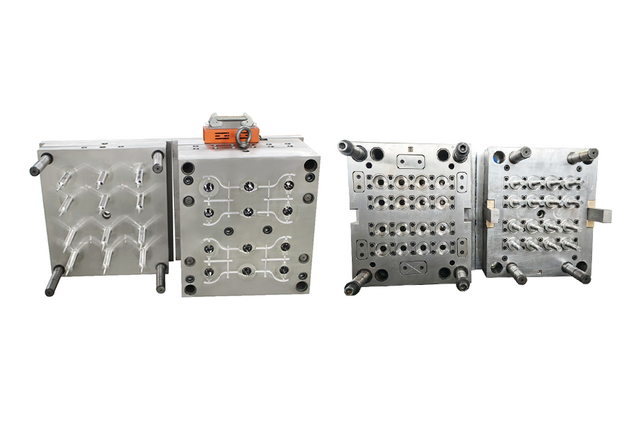
A medical mould shapes parts for medical devices. This tool helps make things like syringes, tubes, and other important products. Medical moulds use special materials that follow strict health rules. Some common materials are polypropylene, polystyrene, polyetheretherketone, and polycarbonate.
Polypropylene (PP): This material is tough and handles heat well. It is light and can be sterilized easily.
Polystyrene (PS): This is safe and not toxic. It works well for petri dishes and test tubes.
Polyetheretherketone (PEEK): This material resists chemicals and radiation. It is used in orthopedic tools and dental implants.
Polycarbonate (PC): This is strong and flexible. It is often used in medical instruments.
Medical molds, especially silicone molds, are good for making small amounts of products. They save money, work fast, and let you change designs easily. These molds are best for making 500 or fewer items each year. This matches the low numbers needed for new medical devices. Industrial molds are different. They need to make more items and take more time and money to use.
Medical moulds help make sure every part of a device is just right. They help you make safe and reliable products for patients. Medical moulds are important for the quality and safety of medical devices.
Aspect | Contribution to Reliability |
|---|---|
Precision | Makes sure parts are made to the right size. This lowers mistakes in medical devices. |
Biocompatibility | Materials do not harm the body. This keeps patients safe. |
Durability | Good parts last longer and keep working well. |
Cost-effectiveness | Lets you make good equipment and disposables for less money. |
Consistency in Manufacturing | Keeps all parts high quality, which is very important for medical use. |
You need medical moulds to make sure your devices work the same way every time. This helps keep patients safe. Medical moulds let you make many kinds of devices, from simple tubes to complex tools. You can count on these moulds for the precision and safety needed in medicine.
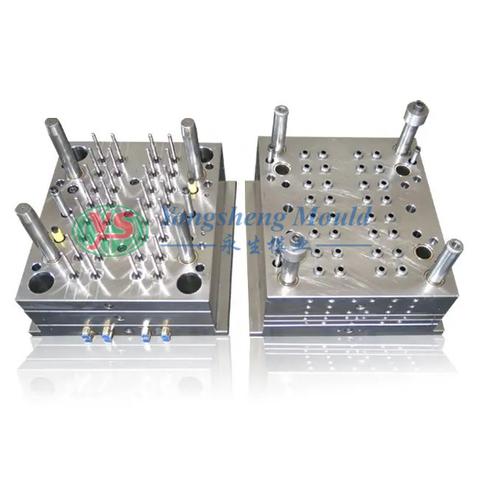
Making medical devices needs very high accuracy. Even a tiny mistake can be unsafe for patients. Most regular injection molding allows a difference of ±0.1mm. Medical molding needs much smaller differences, sometimes only ±0.005mm. This helps parts fit together and work well every time.
Taizhou Huangyan Yongsheng Mold Industry Co., Ltd. uses new technology to get this accuracy. They use medical injection molding, special machines, and automated tools. These help make sure results are always the same. Their Medical Tube Mould and Syringe Mould show this quality in real use.
Technology/Practice | Description |
|---|---|
Medical Injection Molding | Makes very exact and matching parts for medical devices. |
Advanced Injection Molding Machines | Helps make molds quickly and keeps them accurate. |
Automated Systems for Mold Making | Makes the mold-making process faster and more exact. |
Quality Inspection Tools | Checks that molds meet tough rules and safety standards. |
Rapid Prototyping Services | Lets you test and change designs fast before making many. |
Compliance with ISO 13485 and FDA | Makes sure molds are safe and work well for medical devices. |
Keeping things germ-free is very important in medical work. Every product must be clean and safe for people. The right medical mould helps you do this. There are different ways to sterilize, but you must pick the right one for your plastic.
Sterilization Method | Compatible Plastics | Key Considerations |
|---|---|---|
Ethylene Oxide (EtO) | PE, PP, TPEs | Works at low heat but takes a long time to air out. |
Gamma Irradiation | PVC, Polystyrene, Polyurethane | Goes deep but can change the plastic over time. |
Electron Beam (E-Beam) | Various (depends on thickness) | Faster than gamma but does not go as deep; some plastics may break. |
Steam Sterilization (Autoclaving) | Polysulfone, Polyetherimide, Polycarbonate | Good for plastics that can take heat; some plastics may melt or bend. |
You need to pick the right way to sterilize so your devices stay safe. The Medical Tube Mould and Syringe Mould from Taizhou Huangyan Yongsheng Mold Industry Co., Ltd. work with these methods. This helps you keep things clean and safe.
Picking the right plastic is important for safety and how well things work. The plastic must be good for medical use and follow the rules. It should not change during cleaning or cause harm to people. You also need to follow ISO 10993 and the European Medical Device Regulation for safety.
Polycarbonate is clear and strong, so it is good for testing tools.
Polyethylene does not break down with chemicals and lasts long, so it is used for tubes and joints.
Polypropylene is good for syringes and things put in the body because it can handle radiation and stay clean.
Choosing the best material helps you make safe and strong medical devices. Taizhou Huangyan Yongsheng Mold Industry Co., Ltd. lets you pick the right material for your needs with their custom moulds.
Durability means your medical mould keeps working for a long time. You want a mould that can make many parts without breaking. Steel molds last the longest and can be used many times. Aluminum alloy molds are lighter and cheaper but do not last as long. Sometimes, beryllium-copper alloy is used for special jobs, like when you need better heat control.
Steel molds last the longest and can be used many times.
Aluminum alloy molds are good for short jobs but wear out faster.
Beryllium-copper alloy helps with heat and is used for special needs.
Some plastics, like glass-reinforced ones, can wear down molds, so you may need a special coating.
You can trust the Medical Tube Mould and Syringe Mould from Taizhou Huangyan Yongsheng Mold Industry Co., Ltd. because they are made to last. These moulds use strong materials and smart design for long use.
Tip: When picking a medical mould, think about how long you need it and what materials you will use. This helps you get the best safety and value for your devices.
You want every part in your medical devices to work well. Medical injection molding helps you do this. It uses special molding and engineering methods. These methods help make sure each batch is the same. Real-time monitoring checks the process all the time. This means you can see problems early and fix them fast. You get better quality because you can catch mistakes quickly.
When you use design for manufacturability, you get fewer defects. This also helps make each part more consistent. This is very important for things like surgical tools and tubes. Every part needs to be the right size and shape. Medical device injection molding helps you get high quality every time. You can trust your parts to work in medical devices, like syringes and tools.
Using design for manufacturability also helps you get better quality and lower costs. Your medical devices stay safe and reliable. Medical injection molding gives you control to make strong, safe, and clean parts.
You want to save money when making medical devices. Medical injection molding helps you do this. You can use smart ways to lower costs and keep quality high. Here is a table that shows how you can save money with medical injection molding:
Strategy | Description |
|---|---|
Optimizing Mold Design | Making mold features simple and using fewer cavities saves time and lowers mistakes. |
Selecting Cost-Effective Materials | Picking common resins can lower costs and still work well. |
Utilizing Bridge Tooling | This lets you make small batches with cheaper materials and work faster. |
You can use thermoplastic injection molding for many medical parts. This method uses plastics that cost less but still meet medical rules. You get more parts for less money. Medical injection molding lets you make tools, tubes, and other devices without wasting plastic. You can make thousands of parts fast. This helps you save money and keep quality high.
You need to make lots of parts for medical devices. Medical injection molding lets you make more parts as you need them. You can start with a small batch and then make more later. The same process works for small or big orders. This helps you meet the needs of hospitals and clinics.
Plastic injection molding is very important for making medical devices. It gives you the accuracy, repeatability, and ability to make more parts that healthcare needs.
Making medical plastics with injection molding is better than using metal. You get the same quality every time and can make lots of parts.
When you need more parts, you can get new tools. Your custom medical plastic maker can help you make more parts.
You can make millions of medical parts with injection molding. You can make tools, tubes, and other parts with the same quality every time. You can trust injection molding to help you make as many parts as you need.
You must follow strict rules when making medical devices. Medical injection molding helps you meet these rules. You need to make sure every part is safe and works well. You must follow standards like ISO 13485, ISO 14971, and ISO 10993. These rules help keep your parts safe for patients.
ISO Standard | Focus Area |
|---|---|
ISO 13485 | Quality Management System (QMS) for medical device makers |
ISO 14971 | Risk management for medical devices, including finding hazards |
ISO 10993 | Biocompatibility of devices, making sure they are safe for patients |
ISO 13485:2016 is the main QMS rule for medical devices.
It matches rules like UK MDR, EU MDR 2017/745, and US FDA 21 CFR Part 820.
You must also follow fda rules for medical devices. These rules make sure your parts are safe for hospitals and clinics. Medical injection molding helps you follow all these rules. You can trust your parts to meet the highest safety and quality needs. You can use thermoplastic injection molding to make parts that pass all tests. You can make tools and other devices that meet fda rules and keep patients safe.
Syringes are used a lot in hospitals and clinics. Medical injection molding helps make disposable syringes with the right shape and size. This is important for giving safe doses to patients. The High Precision Medical Injection Mould from Taizhou Huangyan Yongsheng Mold Industry Co., Ltd. makes sure every syringe is the same. Injection molding is also used to make needle hubs. Needle hubs hold the needle tight and keep it clean.
Disposable syringes must be made accurately to keep people safe.
Needle hubs use special plastics to fit well and stay secure.
Blood collection tubes are used to collect samples for tests. Medical injection molding makes strong tubes that work well. Core pins in the mold help shape the tubes with great accuracy. The tubes have smooth sides and even walls. These tubes are made in ISO 13485:2016 certified workshops, so quality is checked carefully. Taizhou Huangyan Yongsheng Mold Industry Co., Ltd. uses tough stainless steel for their moulds. This keeps the tubes safe for patients.
Feature | Details |
|---|---|
Surface Quality | High transmittance, no sink mark |
Cycle Time | 8.0 seconds |
Wall Thickness | 0.82 mm |
Output | 103 million units per year |
You need these tubes to get correct test results and keep patients safe.
Liquid transfer devices help move fluids in medical places. Medical injection molding makes suction heads and transfer guns for emergencies. The Liquid Transfer Gun Suction Head Mould from Taizhou Huangyan Yongsheng Mold Industry Co., Ltd. makes parts that are light and easy to carry. These devices are used for clearing airways and other urgent jobs. Many suction lines in the design help in different emergencies.
Tip: Multi-cavity molds help make more suction heads faster, so you get more devices quickly.
You need to make lots of medical devices quickly. Multi-cavity solutions in medical injection molding help you make more parts at once. This saves money because machines run less. Advanced mold designs help every part come out the same. You get less waiting time and more work done.
Multi-cavity molds help you make parts faster.
You save money by using less machine time and energy.
You get the same quality for all medical device parts.
Using multi-cavity molds helps you finish orders on time and meet the need for medical devices.
When you pick a medical mould, you must think about the material. The right material helps make safe and strong medical devices. Medical-grade plastics are used a lot because they are tough and safe. You want materials that last a long time and do not break down with chemicals. They also need to follow strict rules for medical use. Biocompatibility is important so the device does not hurt people. The table below shows what to look for:
Factor | Description |
|---|---|
Durability | Makes sure the material can be used many times without breaking. |
Chemical Resistance | Stops the material from getting damaged by chemicals. |
Biocompatibility | Makes sure the material is safe to touch the body. |
Compliance with Standards | Follows rules from groups like the FDA and USP for medical use. |
You should also think about how the material can be cleaned and if it looks and feels good for users. Picking the right material helps you follow the rules and keeps your devices safe.
The way you design your tooling changes how well your mould works. It also affects how long it lasts. You want a mould that can make many parts without losing quality. Using strong materials like P20 or H13 steel helps you get the same results every time. Simple designs can save money and make things faster. The table below shows how tooling choices matter:
Aspect | Impact on Performance and Longevity |
|---|---|
Durability of Production Molds | Strong molds last longer and keep making good parts. |
Material Choice | Using P20 or H13 steel means less fixing and better parts. |
Design Complexity | Simple designs cost less and work well, making production easier. |
Total Cost of Ownership | Spending more at first can save money later by needing less repair. |
You should always match your tooling to what your medical devices need. This helps you make enough parts and follow the rules.
Cleanrooms are very important when making medical moulds. You need a cleanroom to stop dirt and germs from getting on your devices. Cleanrooms use special filters and rules to keep things clean. The table below explains why cleanrooms are needed:
Aspect | Description |
|---|---|
Cleanroom Importance | Cleanrooms keep germs away, which is important for devices that touch the body. |
Impact on Product Quality | Cleanrooms help make sure devices are safe and work well by stopping germs. |
ISO Classifications | These rules decide how clean the room must be and how often it is cleaned. |
Regulatory Compliance | You must follow FDA’s 21 CFR 211.42 to sell your devices. |
Maintenance Requirements | You need to check and clean the cleanroom often to keep it safe. |
Air Filtration Systems | HEPA filters help keep the air clean, following ISO rules. |
You should always use cleanrooms when making medical moulds, especially for things that need to be very clean. This helps you follow the rules and keep your devices safe.
You have to follow strict rules when making medical moulds. These rules make sure your products are safe and legal. Different types of medical devices have different rules. The table below shows what each class needs:
Class | Requirements |
|---|---|
Class I | Basic rules, low cost, must follow GMP rules |
Class II | More checks, tighter sizes, FDA-approved materials |
Class III | New technology, cleanrooms, very careful quality checks |
You need to check if your device is safe for the body, can be cleaned, is strong, and does not break with chemicals. Following these rules helps keep people safe and your business working well.
Tip: Always check the newest rules for medical devices so your moulds and products follow every rule.
There are many new ways to make medical moulds. These changes help you make better products faster. Now, you can use heat or UV light to cure silicone. This helps silicone stick well and makes it safer for the body. You can also use 3D printing to design and test moulds quickly. This saves time and money when making implants or other parts. IoT technology lets you watch your machines all the time. You can find problems early and keep your moulds working well. AI systems help you make more exact parts and spot issues before they happen. There are also new ways to save energy and recycle, which is good for the planet.
Overmolding lets you put two materials together in one part. This helps make implants that are strong and comfortable.
Sandwich or coinjection molding lets you add special features to implants.
Good tool design is needed for these new methods. You need the right tools to make sure your implants meet all the rules.
Tip: Using these new ways helps you make safer and better medical implants.
Automation changes how you make medical moulds. Robots and smart machines help you work faster and make fewer mistakes. You get the same quality every time, which is very important for medical implants and other devices. Automation also keeps your work area clean. Robots do not need breaks, so there is less chance for germs to get on your implants. You save money because you need fewer workers, and you can make more implants in less time. Automation helps you follow all the rules for making medical devices.
Making moulds for implantable devices is a special job. You must use very exact tools to make sure every implant fits just right. The surface of each implant must be very smooth. You control the heat and pressure during moulding to stop mistakes. The materials you use must be safe for the body. They cannot cause any bad reactions. Every implant must meet strict medical rules from groups like the FDA and ISO. You need to check each implant carefully before it goes to a patient.
Taizhou Huangyan Yongsheng Mold Industry Co., Ltd. helps you with custom moulds for many types of medical implants. Their team uses new technology and follows high standards. You can trust them to give you safe and high-quality medical implants for your needs.
You need good inspection steps to keep medical products safe. Inspection helps you find problems early and fix them fast. In medicine, you use special tests like moisture content testing and structural testing. CMM inspection checks the size and shape of each part. These tests make sure every part meets strict rules. Moisture content testing checks the resin before you start molding. Structural and fatigue testing show if a part can handle stress. CMM inspection looks at the shape and size to make sure it is right. CT inspection lets you see inside parts without breaking them.
Here is a table that shows common inspection methods in medical manufacturing:
Inspection Method | Description |
|---|---|
First Article Inspection (FAI) | Checks first parts with special tools to match exact specifications. |
Production Part Approval Process (PPAP) | Makes sure suppliers can meet all quality needs for production. |
Critical-to-Quality Inspection (CTQ) | Focuses on the most important features for safety and performance. |
Digital Inspection Reports (DIRs) | Keeps digital records for easy tracking and review. |
You use these inspection steps to keep your medical devices at the highest quality.
Good documentation is very important in medical manufacturing. You must keep clear records of every step you take. This helps you show that your products follow all the rules. Digital inspection reports help you track and review results quickly. You can show proof of your quality control at any time. Keeping records also helps you get iso certification, which builds trust in the medical field.
Tip: Always update your records after every inspection or change. This keeps your documentation correct and ready for checks.
Continuous improvement helps you keep medical products safe and high in quality. You watch your products through their whole life. You listen to customers and use their feedback to make things better. You look for problems and fix them quickly. This can lower product failure rates to less than 3%. You also follow new rules and update your ways to stay ahead. Continuous improvement makes sure your medical devices always meet the newest standards.
You check products after they leave the factory.
You listen to what customers say and make changes.
You look at your process often and try to improve.
By using these steps, you keep your medical products safe, reliable, and trusted by everyone.
You need tough medical moulds to make safe devices. These tools help you get good quality in every product. Picking the right mould keeps medical standards high. Taizhou Huangyan Yongsheng Mold Industry Co., Ltd. gives you new solutions and trusted quality.
In the future, medical mould technology will help make care and quality even better.
A medical mould helps shape plastic for medical parts. You use it to make things like syringes, tubes, and blood containers. The mould makes sure each part is the right size and shape.
Precision helps keep medical devices safe and working well. Even a tiny mistake can make a device not work. You need exact sizes so every part fits and does its job.
You clean medical moulds in special cleanrooms. These rooms use filters to keep out dust and germs. You also use safe cleaning steps to make sure moulds are ready for medical use.
You often use plastics like polypropylene, polycarbonate, and polyethylene. These plastics are strong, safe, and easy to clean. They also follow strict health rules.
Yes, you can get a custom medical mould. You give your design or needs to the mould maker. They use special tools to make a mould just for you.
Tip: Always talk with your mould supplier about your device’s needs before you order.


