
Language
Views: 106 Author: Site Editor Publish Time: 2025-11-24 Origin: Site


You have big decisions to make when picking medical moulds or multi-purpose moulds for important uses. Medical moulds give you the best accuracy and safety. Companies like Taizhou Huangyan Yongsheng Mold Industry Co., Ltd. provide Injection Mould options that follow tough rules. If you pick a medical mould, you get special customization, new designs, and strong rule-following. These things help you make safe medical devices for serious needs.
Medical moulds are very accurate and safe. They are important for making good healthcare products. Customization in medical moulds lets you make special shapes and features. This helps products follow strict medical rules. Multi-purpose moulds are flexible and cost less at first. But they do not pass the same tough quality checks as medical moulds. Picking the right mould is very important. Think about how many parts you need, how hard the parts are to make, and what rules you must follow. This helps keep things safe and works well. Keeping work areas clean and following strict rules is very important. This stops contamination and keeps patients safe in medical uses.
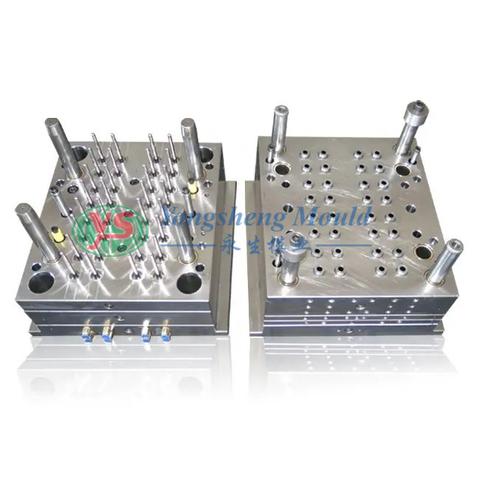
A medical mould helps make parts for healthcare devices. It is made for the medical industry. You use it to make things like syringes and blood collection tubes. It also makes suction heads. Taizhou Huangyan Yongsheng Mold Industry Co., Ltd. builds these molds with care. They use advanced injection molding to meet medical standards. You can ask for custom molds for your needs. This lets you get the right shape and size. You also get the features you want for your products. Medical moulds focus on making high-quality parts. You can trust them in important situations.
Medical moulds are used in many healthcare products. These molds help make items for doctors and nurses. Some common uses are:
Syringes and blood collection tubes made with care for patients.
Liquid transfer gun suction heads for labs and hospitals.
Catheters, IV connectors, and housing units for devices.
Cleanroom supplies and implants that need strict quality.
Medical parts are about 25.2% of the plastic injection molding market for devices. Most parts use plastics like polypropylene, polycarbonate, and polyethylene. In 2024, plastics made up about 86% of the medical injection molding machine market.
Note: Medical moulds use advanced molding techniques. These include plastic injection molding for making many parts, insert molding for mixing materials, overmolding for stronger parts, and liquid silicone injection molding for flexible parts. Each method helps make high-quality parts. They also help products meet medical standards.
Technique | Overview | Advantages | Applications |
|---|---|---|---|
Plastic Injection Molding | Makes many parts with steady quality. | Fast, precise, uses medical-grade plastics. | Syringes, device housings, diagnostic parts. |
Insert Molding | Mixes plastic with other materials. | More design choices, less assembly time. | Surgical tools, connectors, electronics. |
Overmolding | Adds one material over another for strength. | Better grip, more durability. | Handles, protective covers. |
Liquid Silicone Injection Molding | Uses flexible, safe materials for special products. | High biocompatibility, good for small parts. | Catheters, seals, implants. |
Medical moulds give you the part quality needed for safe healthcare products. Customization, accuracy, and strict standards make medical moulds different from regular molds.
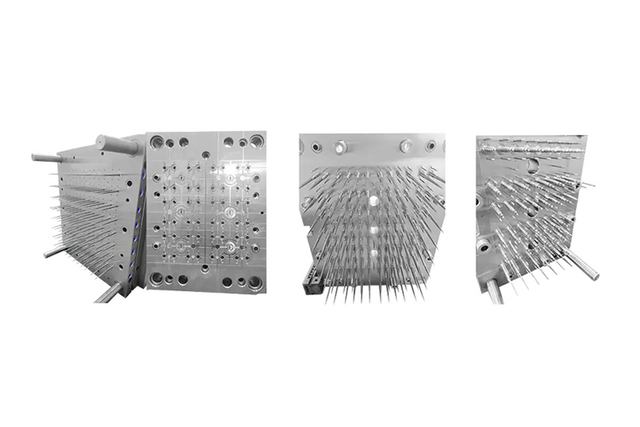
A multi-purpose mold is used in many places. This mold helps make different products with one tool. You do not need a new mold for each item. You can use it for many things. The design lets you change projects easily. You save time and money by using one mold. Factories like these molds for big and small jobs. The tool can fit your needs.
Tip: If you want to make many products, a multi-purpose mold helps you work fast and save money.
Multi-purpose molds are found in daily life and work. These molds help make things you use every day. Here are some common ways they are used:
Automotive Industry: These molds make car parts and inside features. They help cars last longer and look better.
Medical Devices: These molds make surgical tools and health devices. They help keep things safe and useful.
Consumer Electronics: These molds help make phones and tablets. They help your devices look nice and work well.
Packaging Industry: These molds are used for food and drink packages. They help keep things fresh and easy to open.
Industrial Equipment: These molds make strong tools and machine parts. They work well in hard jobs.
Multi-purpose molds help you meet many needs with one tool. You can change what you make without much trouble. This makes them a good choice for businesses that want to be flexible and get more done.
It is important to follow design standards when picking a mold. Medical molds must meet strict rules from health groups. These rules help keep parts safe and working well. Medical molds get tested many times before use. Testing checks for mistakes and makes sure the mold works right. Each mold must make parts with the correct shape and size.
Multi-purpose molds do not always have strict rules. These molds work for many products, so the design is not focused on one thing. Testing for these molds is not as detailed. This can lower the quality of the parts you make. If you want top quality for medical devices, pick a mold with the highest standards.
Note: Good design standards help stop problems and make better products.
Tolerances show how much a part can be different from its perfect size. In medical work, tight tolerances are very important. They help products work well and keep patients safe. Medical molds need tolerances as close as ±0.025mm. This level of accuracy meets strict rules and keeps parts high quality.
Multi-purpose molds can have bigger tolerances. For example, molds for home items may allow tolerances over ±0.5mm. Bigger tolerances make molds easier to use for many things. But they can lower the quality and how well parts work.
Here is a quick comparison:
Mold Type | Typical Tolerance | Impact on Quality |
|---|---|---|
Medical Mold | ±0.025mm | High precision and safety |
Multi-Purpose Mold | ±0.5mm or more | Lower precision, flexible use |
Think about the quality you need for your project. Tight tolerances in medical molds give you the best results. Mold testing checks these tolerances and makes sure parts meet the rules.
You need to pick the right materials for your molds. This helps parts last longer and work well. Medical molds use special plastics that meet health and safety rules. These plastics help parts stay strong in tough places. Medical molds often use polypropylene, polycarbonate, and polyethylene. These plastics get tested many times to prove they are safe and work well.
Multi-purpose molds can use many kinds of materials. You may see general plastics or engineering grades in these molds. These materials may not meet the same safety rules as medical molds. This can change how good and reliable your products are.
Medical molds use materials that:
Help parts last long and work in hard places.
Meet strict health and safety rules.
Pass many tests before use.
Multi-purpose molds use materials that:
Work for many general and industrial needs.
May not always meet medical-grade rules.
Tip: Always pick materials that match the quality you want. Mold testing checks if your materials are good enough.
You have to follow strict rules when making medical moulds. These rules help keep patients safe in hospitals. Every country has its own standards for medical moulds. You must check your moulds before using them in hospitals. This checking is called validation. Validation shows your moulds make good parts every time.
Here is a table with the main standards you should know:
Regulatory Standard | Key Requirements |
|---|---|
ISO 13485:2025 | Risk management, software checks, supplier reviews |
FDA 21 CFR Part 820 | Digital records, real-time checks, cybersecurity for smart machines |
EU MDR | Detailed paperwork, strong checks after sales, better tracking of each product |
You also need to use clean rooms for making medical parts. Clean rooms stop dust and germs from getting in. Different products need different clean room levels:
Class 100,000 (ISO 8): For basic medical devices and outside-use parts
Class 10,000 (ISO 7): For most medical devices and surgery tools
Class 1,000 (ISO 6) or better: For implants and life-support parts
You must pick materials that follow four main rules:
Biocompatible – The part will not hurt people.
Sterilizable – The part can be cleaned many times.
Mechanically suitable – The part is strong and flexible enough.
Chemically resistant – The part will not break from medicine or cleaning.
It can be hard to meet all these rules. Medical silicone mouldings are important in hospitals, but making them is tough. If you have quality problems, you can get in trouble with the rules. You must focus on quality to avoid problems and keep your good name.
You must keep good records for every step of making medical moulds. These records show you follow the rules and make safe products for hospitals. You need to show how you check quality, test your moulds, and fix problems. If you do not have the right records, you cannot sell your parts, even if they are perfect.
Documentation is EVERYTHING in medical injection molding. Without proper documentation, your perfectly manufactured parts are essentially worthless from a regulatory standpoint.
Medical moulds need more paperwork than multi-purpose moulds. You must match your records to the risk level of your product. Here is a table that shows how this works:
Device Classification | Risk Level | Regulatory Requirements |
|---|---|---|
Class I | Low | Basic safety and quality standards |
Class II | Moderate | Extra controls, labels, and performance checks |
Class III | High | Full approval and lots of testing |
You must keep your records safe and easy to find. You need to update them when you change your process. Good records help you prove your quality and get ready for checks from the government. When you focus on quality and keep strong records, you help protect patients and support hospitals.
You have to keep medical areas clean to stop mold. Mold is dangerous in hospitals, especially for sick patients. These patients have weak bodies and can get sick easily. Mold can make mycotoxins that cause infections or rashes. It can also make people stay in the hospital longer. Workers can get headaches or skin problems from mold. Breathing mold can also make people feel bad.
Mold grows fast in wet and warm places. It likes dark spots and eats dust or drywall. Hospitals have hidden places where mold can hide. You need to watch out for these risks to keep everyone safe.
Here are some good ways to stop mold in medical mold making:
Prevention Measure | Details |
|---|---|
Environmental Controls | Keep humidity under 60% with good HVAC. Make sure air moves well and rooms stay cool. |
Comprehensive Cleaning Protocols | Clean every day and focus on mold spots. Use cleaners that fight mold and dry things well. |
Personnel Training | Teach workers how to stop mold and stay clean. Make sure they wear safety gear. |
Routine Inspections and Audits | Test for mold often. Check building systems every month for problems. |
Tip: You can help stop infections by cleaning and checking often. This keeps weak patients safer.
You need a good plan to handle mold risks. First, check your building for places mold can grow. Look for leaks, wet spots, or bad airflow. Inspect often to find mold early. If you see mold, clean it up fast and fix the problem.
Sick patients count on you to keep them safe. If mold spreads, it can make many people sick. Train your team to see mold signs and act quickly. Always wear safety gear when working with molds to stop spores.
Mold can cause:
Bad coughing and worse asthma for lung patients.
Infections and longer healing for weak people.
Headaches and skin issues for workers.
You keep everyone safe when you control mold risks. Dangerous molds need extra care because they can cause big problems. Stay careful and update your safety plan often.
When you choose a mold for your project, you need to think about the money you will spend at the start. Medical molds often cost more than multi-purpose molds. This happens because medical molds need special designs and must follow strict rules. You pay for high-quality materials and careful testing. These steps help you make safe products for hospitals and clinics.
Multi-purpose molds usually have a lower starting cost. You can use them for many types of products. This makes them a good choice if you want to save money at the beginning. You do not need to buy a new mold for every product. You can switch between projects with the same tool.
Here is a quick look at the differences:
Mold Type | Initial Investment | Customization Level | Regulatory Needs |
|---|---|---|---|
Medical Mold | High | Very High | Strict |
Multi-Purpose Mold | Lower | Moderate | Basic |
Tip: If you need to meet health standards, spending more on a medical mold can help you avoid problems later.
You should also think about how many parts you need to make. Medical molds often use multi-cavity designs. These molds let you make many parts at the same time. This boosts your production efficiency and helps you meet tight deadlines in the medical field. You can make thousands of parts quickly and keep quality high.
Multi-purpose molds also help you scale up your work. You can start with small batches and move to bigger runs when you need more products. This flexibility makes it easy to handle changes in demand. Both types of molds let you move from low-volume to full-scale production. You keep your production efficiency high and your costs under control.
Multi-cavity molds increase production speed by making several parts at once.
You can switch from small to large production runs as your business grows.
Efficient molds help you save time and money while meeting customer needs.
Note: Choosing the right mold helps you balance cost, speed, and quality as your business grows.
You need to think about many things when picking a mold. Each mold type works for different jobs. Make sure you choose the best one for your project. The table below shows what matters most:
Decision Factor | Medical Molds | Multi-Purpose Molds |
|---|---|---|
Production Volume | Good for making lots of parts | Best for making many of one part |
Part Complexity and Compatibility | Makes hard parts well | Needs parts with similar cooling and filling |
Material and Process Efficiency | May make more scrap per part | Makes less scrap per part |
Budget and Lead Time | Costs more at first, good for big jobs | Costs less, may need more checking |
Think about what you want in the future too. Medical molds are great for high accuracy and strict rules. Multi-purpose molds are better if you want to save money and be flexible. Companies like Taizhou Huangyan Yongsheng Mold Industry Co., Ltd. can help you get molds that fit your needs. Their help makes it easier to follow rules and make better products.
Tip: Pick your mold based on safety, quality, and how many parts you need.
You can stop mistakes by listening to experts. People often mess up when picking molds for important jobs. Here are some mistakes to avoid:
Using the wrong material can bend or shrink parts.
Wrong wall thickness can cause problems.
Not enough draft makes it hard to take out parts.
Sharp corners can break parts.
Extra undercuts make things harder.
Experts also give advice for following rules:
Tip | Description |
|---|---|
Material Selection | Pick materials for your job; use steel for lots of parts. |
Quality Standards | Follow ISO 13485 and ISO 10993 for good and safe parts. |
Cleanroom Environment | Make parts in clean rooms to keep them clean. |
Use materials that are safe for people.
Keep good records so you can track parts.
Follow FDA and ISO rules every time.
If you work with Taizhou Huangyan Yongsheng Mold Industry Co., Ltd., you get help with custom molds, following rules, and support. This makes it easier to choose and helps you make great products.
You must pick the right mould to keep patients safe. This choice helps lower infection risks. Medical moulds work better than multi-purpose moulds. They give you more control and let you make special shapes. Medical moulds are checked more closely. They also let you change designs to fit your needs. Look at the table below to see the differences:
Aspect | Medical Moulds | Multi-Purpose Moulds |
|---|---|---|
Process Stability | Real-time monitoring | Tolerant of variations |
Infection Control | High | Moderate |
Customization | Advanced | Basic |
Custom medical moulds help stop infections. They let you make detailed shapes and exact features. Working with experts means you get parts faster. You also get better quality and fewer infections. Try new materials and technology to keep infections away. This helps you get ready for future needs.
You get higher precision and strict quality checks with a medical mould. These moulds follow health industry rules. Multi-purpose moulds work for many products but do not meet the same strict standards.
You should not use a multi-purpose mould for medical products. Medical moulds meet special safety and quality rules. This helps protect patients and ensures product reliability.
You must use clean rooms and follow strict cleaning steps. Workers wear special gear. Regular checks help stop dust and germs from getting into the moulds.
Customization lets you make parts that fit your needs. You can choose shapes, sizes, and features. This helps you meet medical standards and improve patient safety.


