
Language
Views: 48 Author: Site Editor Publish Time: 2025-12-03 Origin: Site


A medical mould helps shape plastic parts for medical devices like syringes and tubes. You need medical moulds to make sure every part is safe and made right. Every part must follow strict rules. More people want medical moulds each year.
The world market for medical injection moulding is $5.2 billion in 2024.
By 2033, it could be $10.3 billion, growing by 8.2% each year.
Medical moulds must be precise, reliable, and give great results. Medical devices need these things to keep patients safe. Top suppliers like Taizhou Huangyan Yongsheng Mold Industry Co., Ltd. use new technology to make better medical moulds.
Aspect | Contribution |
|---|---|
High-Quality Materials | Use strong materials like alloy tool steels. These last long and do not rust easily. |
Precision Moulding | Makes parts more accurate with detailed designs and tighter fits. |
Automation | Uses machines to keep quality the same and make parts faster. |
Sustainability | Designs help the environment by making less waste and easier recycling. |
You can trust a good Injection Mould to make your medical devices better and meet top standards.
Medical moulds help make safe and exact medical devices like syringes and tubes. They make sure the devices follow strict rules.
Picking strong materials like PEEK and Ultem™ makes medical devices last longer and stay safe. These materials can handle cleaning and chemicals.
Making moulds with care is very important. Good moulds stop mistakes and make sure each part fits right. This lowers risks for patients.
Taking care of moulds by cleaning and checking them often is needed. Doing this stops expensive fixes and keeps product quality steady.
Learning about new rules and quality checks is important. Following FDA and ISO rules helps people trust the devices and makes it easier to sell them.
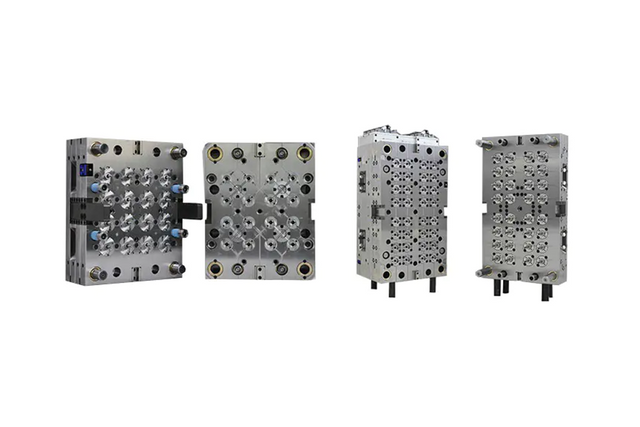
A medical mould shapes parts for medical devices. In injection molding, you melt special plastics. Then, you push the melted plastic into a mould. This tool helps you make many medical device parts. You use medical moulds to make syringes and tubes for hospitals. Medical moulds are important because they help every part meet strict rules. Precision molding lets you make safe tools and implants for clinics. Medical-grade plastics are strong against chemicals and keep patients safe.
Gas-assisted injection molding makes hollow spaces in thick parts. This way, you get strong parts with smooth surfaces.
You pick medical-grade plastics because they are tough and safe. These plastics help you meet what the medical field needs.
You need medical moulds to make syringes and tubes that work well. The plastics used in medical injection molding must be very good. Medical-grade plastics make sure each device is safe and works right.
The process is very accurate, so each part fits just right. This helps stop mistakes that could hurt people.
Medical injection molding must follow strict rules. You have to pass health checks like FDA rules before selling devices.
Making parts the same every time is important. Injection molding lets you make many devices with the same quality. This lowers the chance of mistakes or broken parts.
You count on medical moulds to help you follow industry rules. Meeting these rules means your devices are ready for hospitals. Using new moulds and medical-grade plastics keeps patients safe and helps your factory make better products.
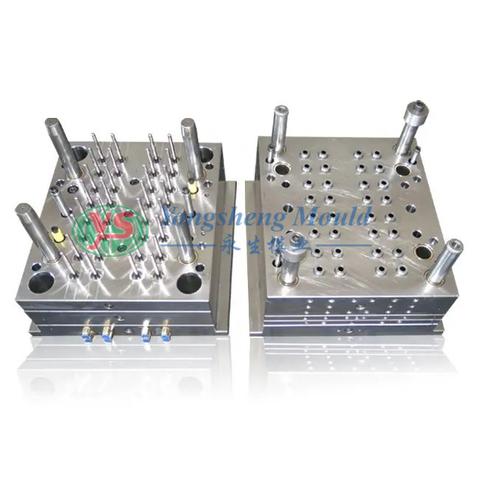
When you pick a medical mould, design is very important. Good design helps you make safe devices. You need tight tolerances so parts fit well. If tolerances are not right, parts may not work. Some parts can break during assembly. Careful design helps stop this from happening.
You must follow strict rules for medical products. These rules keep patients safe. You need to keep moulds clean and sanitary. This is very important for medical use.
Tip: Always check if your mould design follows FDA and EU MDR rules. These rules help you track every part and keep devices safe.
Top suppliers like Taizhou Huangyan Yongsheng Mold Industry Co., Ltd. use new technology in their moulds. You can get special moulds for syringes, tubes, and multi-cavity production. For example, the Customized Medical Multi Cavity Plastic Syringe Injection Mold can have up to 72 cavities. This lets you make many syringes at one time. You can pick moulds for syringe barrels, plungers, gaskets, needle hubs, and insulin syringes. These choices help you meet different needs in medical injection molding.
Tight tolerances for perfect fit
Fragility control to avoid breakage
Compliance with medical regulations
Clean and sanitary mould surfaces
You need to choose the right materials for medical moulds. The material affects how strong and safe your devices are. You need materials that can handle sterilization and work well with medical injection molding. Some common choices are PEEK, Ultem™, PPSU, ABS, PC, PE, PP, and TPE.
Material | Advantages |
|---|---|
PEEK | Sterilization resistance, biocompatibility, high strength and durability, design versatility |
Ultem™ | Sterilization resistance, biocompatibility, high strength and durability, design versatility |
PPSU | Sterilization resistance, biocompatibility, high strength and durability, design versatility |
ABS | Good for sterilization, versatile for various applications |
PC | Strong and impact-resistant, suitable for contact with skin |
PE | Lightweight and flexible, good for various medical applications |
PP | Cost-effective, good chemical resistance |
TPE | Flexible and soft, ideal for skin contact applications |
You need materials that pass FDA and ISO rules. These rules make sure your devices are safe. You want high strength and durability. This helps moulds last longer and work better. Design versatility lets you make complex shapes and light parts.
Sterilization resistance keeps moulds strong after cleaning.
Biocompatibility means devices are safe for people.
High strength and durability help moulds last through many uses.
Design versatility lets you make different medical devices.
Precision is very important in medical injection molding. You need high accuracy so every part fits together. If you miss this, devices may not work. Even small mistakes can cause big problems. You must control the environment and keep moulds clean. This helps you keep accuracy high.
Requirement | Description |
|---|---|
High Dimensional Accuracy | Ensures components fit seamlessly, impacting functionality and safety. |
Impact on Device Safety | Minor deviations can lead to malfunctions, highlighting the need for precision in manufacturing. |
Challenges in Maintaining Precision | Environmental factors and cleanliness standards must be controlled to ensure accuracy. |
You can trust advanced moulds from Taizhou Huangyan Yongsheng Mold Industry Co., Ltd. These moulds use new technology to keep precision high. For example, multi-cavity syringe moulds can make up to 3,000,000 shots. This means you get many accurate parts over time. You need this level of precision for medical injection molding and medical plastic molding.
Note: Always check your moulds for accuracy. Regular checks help you keep production safe and reliable.
You must follow each step to make safe products. Every step helps you build reliable medical devices. Here is how the process goes:
1. Design the Mold
First, you design a mold for your device. The mold must match the shape and size you need. It should meet safety rules.
2. Select the Material
Next, you pick medical-grade plastics. These plastics are safe for people. They can handle cleaning and strong chemicals.
3. Prepare the Machine
You set up the injection molding machine. You check the temperature and pressure. You also set the cycle time for your project.
4. Melt and Inject the Plastic
The machine heats the plastic until it melts. Then, it pushes the melted plastic into the mold.
5. Cool and Solidify
The plastic cools down inside the mold. This helps the part keep its shape and strength.
6. Eject the Part
When the part is solid, the machine opens the mold. It pushes the part out. You must be careful not to break it.
7. Inspect and Test
You look at each part for problems. You use tools to check if every piece meets medical standards.
Tip: Using machines that watch the process helps you avoid mistakes. Automation makes sure every part is the same. Real-time checks let you fix problems fast.
Advanced machines help you control the process better. They watch temperature, pressure, and cycle time closely. This helps you get good results every time.
You want your process to give great results. Here are some best practices to follow:
1. Check Tool Functionality
Always test your mold to see if it works right.
2. Run Short Shot Testing
Use short shots to check if the mold fills well. This helps you find problems early.
3. Perform Gate Seal Studies
Check if the gates seal tightly. Good seals stop leaks and keep parts strong.
4. Evaluate and Document Defects
Look at sample parts for any problems. Write down what you find so you can fix issues.
5. Quality Control Checks
Test each part to make sure it meets medical standards.
6. Adjust Tools as Needed
Use your test results to change the mold or machine settings.
7. Retest for Quality Assurance
Make new samples after changes. Test them again to check quality.
8. Verify Process Parameters
Double-check your machine settings. Make sure everything is set for the best results.
You can use sensors to get feedback right away. These sensors help you spot problems fast. Watching mold temperature keeps the process steady. This helps you avoid defects and keeps parts the same.
Note: You must make sure every part is the same each time. Repeatability and reproducibility are very important.
Here is a table of common defects and how to stop them:
Defect | Description | Prevention Method |
|---|---|---|
Residual Stress | Plastic shrinks against the mold. | Use the same process and equipment every time. If you change molders, re-qualify the part to keep it consistent. |
Warping | Parts bend if removed too soon. | Watch resin temperatures and wait for full cooling before ejection. |
Sink Marks | Small dents from dirty molds or wrong material. | Clean molds and check design for proper gate location and wall thickness. Calibrate machine pressure. |
Short Shots | Mold does not fill all the way. | Keep pressure rates ideal during filling. Use scientific molding analysis. |
Flash | Extra plastic from tool wear or low press force. | Design tools well and use the right press force to stop leaks. |
You can stop most defects by following these tips and using new technology. Automation and robots help you control the process. Real-time checks help you catch mistakes quickly. Special presses help you make complex parts with fewer problems.
If you follow these steps and best practices, you will make safe and high-quality medical devices every time.
Medical injection molding helps make syringes safe and reliable. This process shapes each part with great accuracy. You can make millions of syringes that look and work the same. Syringes must follow strict rules because doctors and nurses use them for patients. Syringes need strong barrels, smooth plungers, and tight seals. These features stop leaks and keep medicine safe. Many companies use this process to make disposable medical products. Disposable products help stop germs from spreading in hospitals.
Medical tubes are important in healthcare technology. Tubes are used for IV lines, catheters, and other devices. Medical injection molding helps make tubes with exact shapes and sizes. The process uses melted plastic to fill a mold. This makes sure each tube meets high quality standards. Tubes are smooth, flexible, and strong. Here are ways this process helps tube quality:
You get precise parts that meet strict standards.
The process gives you the same results for every tube.
Skilled molders help find and fix design problems early.
You make identical tubes, which lowers the risk of failure.
You can trust these tubes for advanced medical devices and sterile packaging. Consistency and safety are most important in medical injection molding.
Implantable devices need extra care. Medical injection molding makes tiny, complex parts for these devices. These parts must fit inside the body and last a long time. Special molds create micro-sized and detailed parts. Cleanroom environments, like ISO Class 7 or 8, keep everything sterile. You also use materials that are safe for the body and can handle cleaning, such as Polycarbonate, Polypropylene, Thermoplastic polyurethane, and PEEK.
Tooling design must support high accuracy and complex parts.
Molds should make many detailed parts that are always the same.
Cleanroom compliance keeps implantable devices free from germs.
Materials must meet strict biocompatibility and cleaning standards.
Medical injection molding also makes surgical tools, instruments, and device housings. These products must be strong, safe, and easy to clean. Reliable medical devices help doctors and nurses do their jobs better.
Note: Medical injection molding helps make many surgical tools and implantable devices that improve patient care.
You have to follow strict rules when making medical devices. These rules help keep patients safe and make sure you meet regulatory compliance. You should know about FDA regulations and ISO certification. These rules tell you how to design, test, and make medical injection molding products.
Here is a table that lists important standards for medical moulds:
Standard | Description |
|---|---|
ISO 13485:2016 | Quality Management System standard for medical devices, aligns with FDA regulations. |
FDA 21 CFR Part 820 | Medical Device Quality System Regulation for production practices. |
ISO 7886 Series | Standards for single-use sterile syringes. |
ISO 8536 Series | Standards for single-use IV administration sets. |
You must use biocompatible materials that meet biocompatibility requirements. These materials help you pass safety checks and keep your products safe for people. Regulatory compliance also means you need to work in cleanroom environments to control sterility and avoid contamination.
Tip: Always check for new regulatory changes. New rules, like the FDA’s unique device identification, might make you change your design or how you make things.
You need strong quality control to meet regulatory compliance. Quality control helps you find problems early and fix them before products go to hospitals. You must test your medical devices in many ways to make sure they are safe and work well.
Here are common tests you should use:
1. Bench Testing: Checks how your device works in a lab.
2. Animal Testing: Looks at biocompatibility requirements before human use.
3. Clinical Trials: Tests medical devices with people to see if they work well.
4. Simulation Testing: Uses computers to predict how your device will perform.
5. Environmental Testing: Checks if your device works in tough conditions.
6. Sterility Testing: Makes sure your device is free from germs.
7. Human Factors Testing: Sees if people can use your device easily.
You must use quality control at every step. You need to write down each test and result. ISO certification, like ISO 13485, shows you follow global standards for medical injection molding. Top suppliers also use ISO 9001 and FDA rules to prove they care about quality control. You might have problems with regulatory compliance. Some problems are not knowing all the rules, using parts that are not certified, or missing cybersecurity steps. You can fix these by working with experts and learning about new standards. Testing and global rules can cost a lot, but strong quality control helps you stay on track.
Note: Always focus on sterility, biocompatible materials, and quality control. These steps help you make safe medical devices that meet all regulatory compliance needs.
You need a supplier who helps you make safe devices. Look for companies with good experience and new technology. Suppliers like Taizhou Huangyan Yongsheng Mold Industry Co., Ltd. use modern machines and skilled workers. They can make complex molds for syringes and tubes.
Here are things to check when you pick a supplier:
Technical skill and good equipment for making accurate medical devices.
Strong quality checks, like ISO 9001 and ISO 13485:2016 certifications.
Help after you buy, with spare parts and clear instructions.
A focus on quality, shown by certifications like MedAccred.
Honest communication to lower risks and keep products safe.
Tip: Good suppliers help you follow health rules and keep your devices the same.
Supplier skill and technology can change your results:
Aspect | Impact |
|---|---|
Compliance | Helps you follow health laws and safety rules for medical devices. |
Advanced Technologies | Uses hot runner systems for better precision and cluster designs. |
Manufacturing Efficiency | Increases how many medical devices you can make and how long molds last. |
Suppliers who keep things clean and meet tight tolerances help you make medical devices that work well every time.
Taking care of your molds keeps your devices safe and high quality. Clean your molds after each use to get rid of dirt. Check your molds often to find damage before it gets worse. Put oil on moving parts so molds work smoothly. Store molds in a cool, dry place when not in use.
Follow these steps to keep your molds working well:
Clean the mold after each use.
Check for damage or wear often.
Oil moving parts for smooth use.
Store in a safe, dry place.
Note: Regular care helps you avoid expensive repairs and keeps your devices safe for patients.
When you check and care for your molds, you make sure every device meets strict rules. This helps you give hospitals and clinics reliable products.
You can make medical devices safer by using precise moulds. Medical-grade resins help your devices work well. New mould technology lets you make many sterile syringes and tubes. You get the same quality every time.
Precision in molding helps medical devices fit perfectly.
Fast-degrading and antimicrobial polymers make devices safer.
Miniaturization and flexible designs let you create new devices.
Following rules and picking good suppliers keeps your devices safe. This stops recalls and legal problems. The table below shows how quality checks and new standards help your work:
Benefit | Description |
|---|---|
Ensures Product Safety | Following rules keeps devices safe and stops recalls. |
Maintains Public Trust | High standards help people trust your devices. |
Facilitates Market Access | Meeting rules lets you sell devices in more places. |
Enhances Operational Efficiency | Quality checks make your work better and faster. |
Keep learning about new industry rules and test your devices often. This helps you make better products and earn a good reputation.
A medical mould helps shape plastic parts for things like syringes and tubes. You use it with injection molding to make safe and exact products. Hospitals and clinics need these products to help patients.
You should clean medical moulds after every use. Use cleaning agents that are approved and soft brushes. Cleaning often stops germs from spreading and keeps devices safe.
Precise moulds help you make parts that fit just right. When parts fit well, they do not leak or break. This keeps patients safe by stopping problems.
You can pick materials like PEEK, Ultem™, and PPSU. These materials do not get damaged by cleaning or chemicals. They help you make medical devices that are strong and safe.


